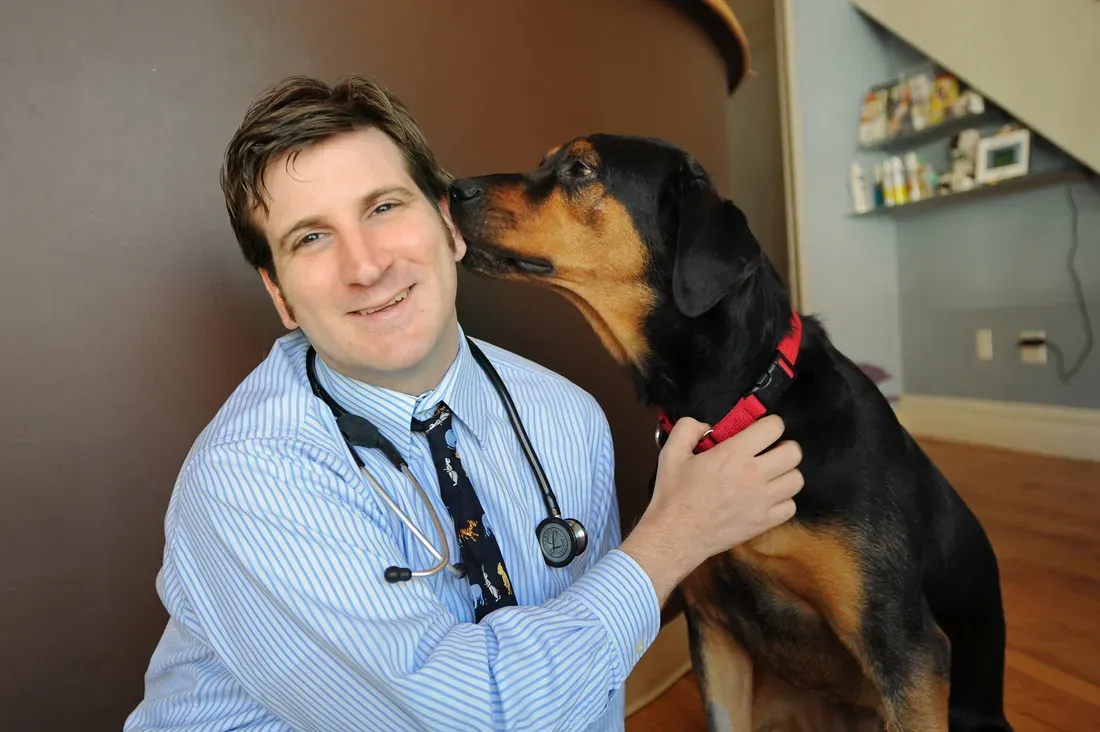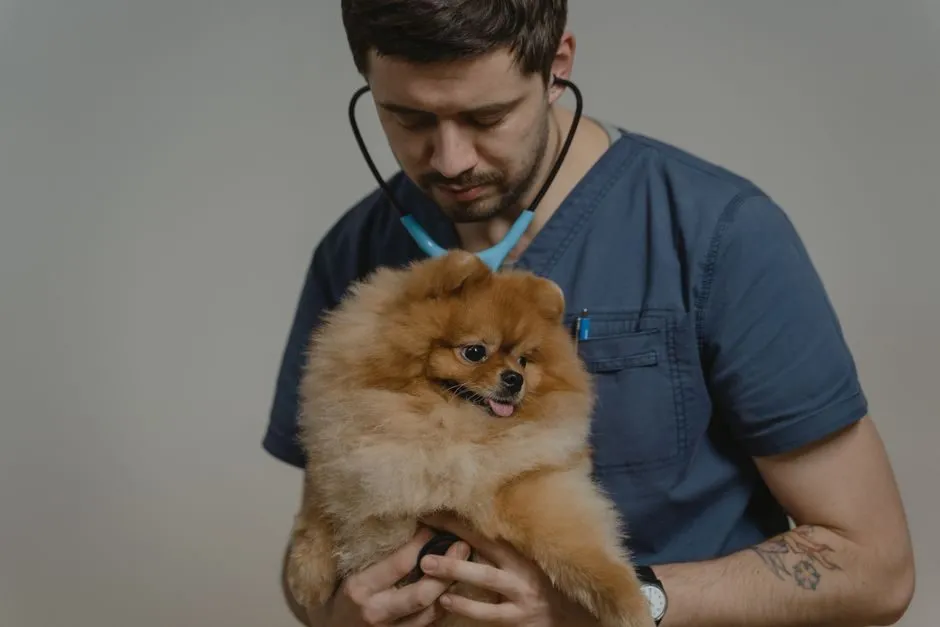
As the crisp autumn air settles in and temperatures begin to dip in Springfield, PA, many pet owners start to wonder how best to protect their dogs and cats from the challenges that come with colder months. At Springfield Veterinary Hospital & Dental Clinic, our team understands that keeping your companion animals healthy, comfortable, and safe during November and throughout winter is a top priority. Whether your dog loves brisk walks through fallen leaves or your cat prefers to curl up on the windowsill, cold weather brings unique risks and needs that are important to address. In this blog, we will cover essential cold weather pet care tips for dogs and cats—including how to recognize when your pet might be struggling with the change in season, what practical steps you can take at home, and when it is time to reach out to our experienced veterinary team for help. We will also highlight services available at our Springfield location to keep your pets healthy all winter long.
Recognizing Cold Weather Problems in Dogs and Cats
When temperatures drop, dogs and cats can face a variety of health and comfort challenges. While some pets adjust easily, others—especially those who are young, senior, thin-coated, or have chronic medical conditions—may be more sensitive to the cold. Signs that your pet is feeling the effects of chilly weather can include shivering, seeking warm spots in your home, reluctance to go outside for walks or bathroom breaks, and changes in energy levels. In dogs, you might notice stiff movements or limping, particularly in pets with arthritis. Cats may hide more often or avoid cold floors and windowsills. Additional warning signs that signal your pet is struggling with the cold are dry or cracked paw pads, red or irritated skin, and persistent licking of extremities. Monitoring your pet’s behavior and appearance during the colder months can help you catch early signs of discomfort or illness.
Why Dogs and Cats Struggle with Cold Weather
Understanding why dogs and cats react differently to cold helps pet owners take the right measures for protection. Many factors influence your pet’s tolerance to chilly weather. Breed, age, coat thickness, body condition, and underlying medical problems all contribute to cold sensitivity. Short-haired and small breed dogs, as well as hairless cats, lose body heat quickly and are more likely to shiver or become uncomfortable. Senior pets and those with conditions like arthritis or hypothyroidism may have a harder time regulating body temperature or coping with damp, cold conditions outside. Additionally, pets that spend more time indoors are less acclimated to cold weather, making sudden exposure more stressful. Even healthy pets can experience dry skin, cracked paws, and increased calorie needs in winter months.
Managing Cold Weather Challenges: Veterinary Support and Home Strategies
Helping your dog or cat thrive through the colder season involves both professional veterinary care and proactive steps at home. Scheduling a comprehensive physical exam before winter is an excellent way to check for underlying health issues that might make your pet more vulnerable to cold-related problems. Our veterinarians at Springfield Veterinary Hospital & Dental Clinic can assess for arthritis, heart disease, thyroid problems, or other chronic conditions that may flare up in cold weather. For older pets, our geriatric care services provide extra support to keep them comfortable and active even as the temperature drops.
At home, consider increasing the frequency of brushing to reduce shedding and keep your pet’s coat in optimal condition, since a healthy coat offers better natural insulation. For dogs, appropriate winter gear such as jackets or sweaters can help short-coated breeds stay warm during outdoor walks. Always dry your dog thoroughly after being outside in rain or snow, and check paw pads for cracks or irritation. Using pet-safe moisturizers recommended by your veterinarian can help prevent dry skin and paws. For cats, ensure access to warm, draft-free resting areas. Heated beds or soft blankets placed in favorite napping spots can make a big difference for indoor cats that dislike cold floors.
Nutrition also plays a crucial role during cold weather. Some active dogs may require slightly more calories to maintain energy levels if they are spending considerable time outdoors, while indoor pets may need their diets adjusted to avoid weight gain due to reduced activity. Our veterinary team can help you determine the best nutrition plan for your pet’s age, activity level, and health status.
Prevention and At-Home Care for Cold Weather Health
Proactive care is the key to keeping your dog or cat healthy throughout the winter. Simple steps include maintaining a consistent grooming routine to support a healthy coat, providing plenty of fresh water (as heated homes can increase dehydration risk), and ensuring your pet always has a warm, dry place to sleep. For dogs, limit time outdoors during especially cold or wet weather, and be mindful of salt or de-icing chemicals on sidewalks, which can irritate paws or be toxic if licked. Wipe your dog’s paws after walks and use pet-safe ice melts around your home. For cats, especially those that venture outdoors, provide shelter options such as insulated outdoor houses and always check under your car hood before starting the engine, as cats sometimes seek warmth there.
Maintaining regular exercise is important even during colder months. Indoor play sessions for both dogs and cats can help prevent boredom and support healthy weight. Puzzle toys, treat-dispensing devices, and interactive games can keep your pet’s mind and body active when outdoor time is limited.
Vaccinations and parasite prevention remain essential year-round. Cold weather does not eliminate all risks; fleas, ticks, and heartworms can persist in sheltered environments. Continue your pet’s preventive medications and schedule vaccination services as recommended by your veterinarian to protect against contagious diseases.
When to Seek Veterinary Care During Cold Weather
Knowing when to reach out to your veterinary team can make all the difference for your pet’s wellbeing. If you notice persistent shivering, difficulty walking, lethargy, changes in breathing, pale gums, or any signs of pain, it is important to seek professional evaluation promptly. Dogs and cats showing signs of frostbite—such as pale, cold, or discolored extremities—or hypothermia, which may present as severe weakness, confusion, or collapse, require immediate attention. The veterinary professionals at Springfield Veterinary Hospital & Dental Clinic are available to assess and treat any cold weather-related emergencies or concerns you have about your pet’s health.
Pets with chronic health conditions should be monitored closely for changes in mobility, appetite, or behavior as temperatures fall. Our chronic care support services can help you manage ongoing health issues and adjust care plans to meet your pet’s needs during the winter season. Never hesitate to call if you are unsure whether your dog or cat needs to be seen; timely intervention is often the best way to prevent complications.
Keeping Your Dog or Cat Safe and Comfortable All Winter
As winter settles into Springfield and surrounding communities, being prepared and attentive to your pet’s needs is the best way to ensure a healthy, happy season. Recognizing the signs of cold stress, understanding risk factors, and taking both veterinary and at-home steps for prevention can help your dog or cat thrive, no matter how chilly it gets outside. Our team of veterinarians is here to support you with annual comprehensive physical exams, tailored nutrition advice, management of chronic conditions, and guidance on every aspect of cold weather pet care.
If you have questions about your pet’s winter wellness or need to schedule an appointment, contact our Springfield Veterinary Hospital & Dental Clinic team at (610) 543-5555 or visit us at 450 Baltimore Pike, Springfield, PA 19064. When searching for a vet near me who understands the unique needs of dogs and cats in our community, trust us to provide compassionate, expert care all year round. Your pet’s health and comfort are always our top priority.