As the cold November weather settles over Springfield, many pet owners begin to notice subtle changes in their senior dog or cat’s comfort and mobility. Winter can be especially challenging for older pets, who may feel the chill in their joints and need extra support to stay healthy and happy. At Springfield Veterinary Hospital & Dental Clinic, located at 450 Baltimore Pike, Springfield, PA 19064, our team of veterinarians is committed to helping you navigate your senior pet’s winter wellness. In this post, we will discuss how to recognize when your older pet might be struggling, explore why cold weather impacts senior pets, share practical ways to keep your dog or cat comfortable, and explain when it’s time to schedule a veterinary visit. You’ll find tips on warmth, nutrition, and mobility, along with guidance on when specialized geriatric care may be needed to ensure your companion’s comfort all season long.
Recognizing Winter Challenges in Senior Dogs and Cats
As pets age, their bodies become less resilient to seasonal changes. Recognizing the signs that winter is affecting your senior pet is key to preventing discomfort and more serious health issues. Common signs of winter-related struggles in senior dogs and cats include moving more slowly after lying down, showing reluctance to go outside, or displaying stiffness when getting up in the morning. Some pets may start to limp, avoid stairs, or hesitate when jumping onto furniture they previously accessed easily. You might notice that your cat seeks out the warmest spots in the house or that your dog shivers even when indoors.
Additional clues include increased sleeping, decreased appetite, or changes in bathroom habits, such as accidents or difficulty using the litter box. Pets with arthritis or chronic health conditions are especially vulnerable to cold, damp weather, and they may vocalize discomfort or become more withdrawn. Any changes in your senior pet’s usual behavior or routine during the colder months are worth monitoring and discussing with your veterinary team.
Why Cold Weather Can Be Hard on Senior Pets
Understanding why winter can be challenging for older pets helps you provide proactive care. As dogs and cats age, they naturally lose muscle mass and body fat, reducing their ability to stay warm. Their joints often become stiff due to arthritis or past injuries, and cold temperatures can exacerbate inflammation, making movement more uncomfortable.
In addition to musculoskeletal issues, senior pets may have weakened immune systems, making them more susceptible to respiratory infections. Dry indoor air from heating systems can also lead to dehydration or worsen chronic skin conditions. Some older pets experience changes in their metabolism or develop chronic diseases such as kidney or thyroid problems, further impacting their ability to regulate body temperature and maintain overall health.
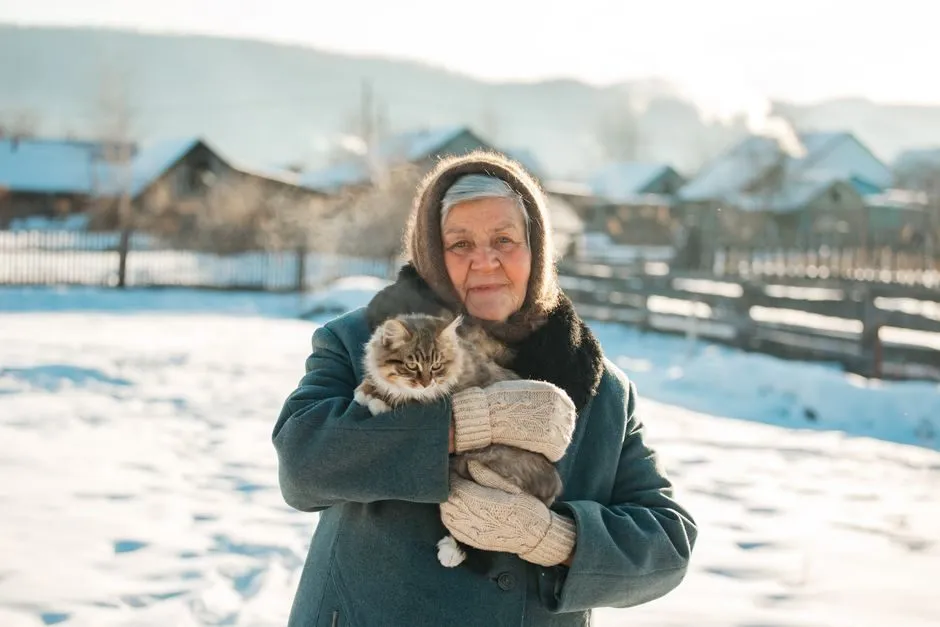
Senior cats, in particular, often have less body fat and may struggle to retain heat, while senior dogs may be less tolerant of icy or slippery surfaces, increasing their risk of falls. These age-related changes mean that extra vigilance is needed as temperatures drop in Springfield and surrounding communities.
Supporting Your Senior Pet’s Comfort and Health in Winter
Helping your senior dog or cat stay comfortable during the winter involves a combination of environmental adjustments, attentive care, and professional veterinary support. For warmth, ensure your pet has a cozy, draft-free place to rest, ideally with a soft bed away from cold floors and windows. Heated pet beds or microwavable heating pads can offer additional comfort for stiff joints, as long as they are used safely and under supervision.
Mobility support is essential for older pets. Place non-slip rugs or mats in areas where your dog or cat walks most often to prevent slips and falls. For senior dogs, gentle, regular walks help maintain muscle strength and joint flexibility, but choose times of day when the temperature is milder and avoid icy sidewalks. For senior cats with arthritis, consider providing steps or ramps to help them reach favorite perches without jumping.
Nutrition plays a vital role in winter wellness. Senior pets may need a diet adjusted for their activity level and health conditions. Some pets benefit from supplements such as omega-3 fatty acids to support joint health, but always consult your veterinarian before making changes to your pet’s diet or starting supplements.
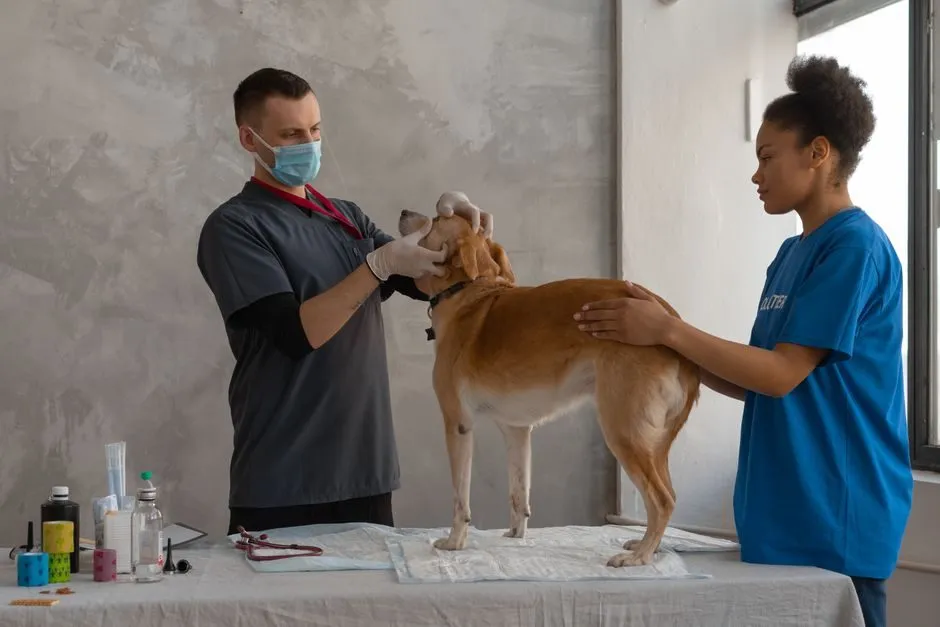
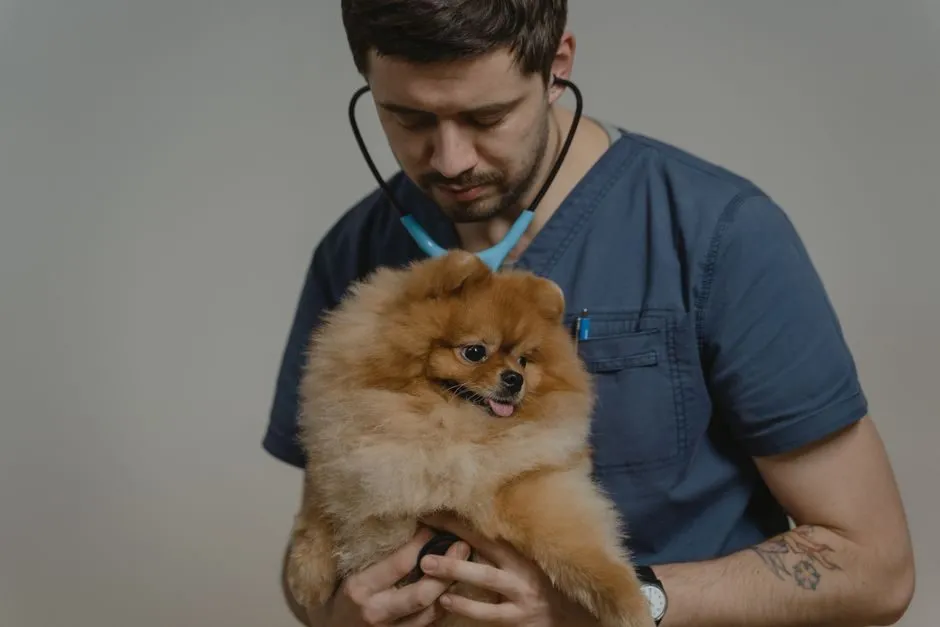
Regular veterinary checkups are critical in detecting and managing chronic issues that could worsen in cold weather. The team at Springfield Veterinary Hospital & Dental Clinic offers comprehensive physical exams for dogs and cats, which can reveal subtle changes in your senior pet’s health. If your pet has ongoing medical concerns, our chronic care support services are designed to help manage conditions like arthritis, kidney disease, thyroid problems, and more throughout the year.
Some pet owners explore holistic options such as acupuncture to help manage pain and support mobility in senior pets. Our acupuncture services may be beneficial for dogs and cats experiencing joint or muscle discomfort, and our veterinary professionals can help you determine if this approach is right for your companion.
Tips for Home Care and Prevention
Simple adjustments at home can make a significant difference in your senior pet’s comfort during the cold months. Keep your home at a consistent, comfortable temperature, and avoid sudden drops in warmth, especially at night. Make sure your pet always has access to fresh water, as dry winter air can increase the risk of dehydration. Monitor your dog’s or cat’s weight throughout the season, since inactivity or cold weather can lead to unwanted weight gain or loss.
Encourage gentle play and activity to keep your pet’s joints flexible, but be mindful of overexertion. Groom your pet regularly to keep the coat clean and mat-free, which helps with natural insulation. For pets with long hair, trim fur around the paws to prevent ice buildup when outside. Older cats may need help grooming hard-to-reach areas, so gentle brushing can provide comfort as well as warmth.
If your pet takes medication for arthritis or another chronic condition, maintain the prescribed schedule and consult your veterinarian if you notice any changes in your pet’s response. For those looking to support their pet’s comfort naturally, discuss holistic therapies like acupuncture with your veterinary team, as this may complement traditional treatments for some pets.
When to Schedule a Veterinary Visit for Your Senior Pet
It’s important to know when home care is not enough and professional help is needed. Schedule a veterinary appointment if your senior dog or cat shows signs such as persistent limping, severe stiffness, or sudden difficulty rising or walking. Other warning signs that require prompt veterinary attention include refusal to eat or drink, rapid weight loss, coughing, labored breathing, or changes in urination or bowel movements.
If your pet appears to be in pain, vocalizes when moving, or becomes unusually withdrawn, these could be symptoms of a serious underlying issue. Sudden behavioral changes, accidents in the house, or confusion may also indicate a medical problem that needs to be addressed. Our geriatric care services are tailored to support the unique needs of older dogs and cats, from routine health checks to management of chronic disease.
In urgent situations—such as when your pet collapses, has a seizure, or cannot breathe normally—contact our emergency veterinary care team immediately for guidance and support. Never hesitate to reach out if you are concerned; early intervention can make a crucial difference in your senior pet’s outcome.
Supporting Senior Pets with Professional and Compassionate Care
Winter in Springfield brings unique challenges for senior dogs and cats, but with attentive home care and proactive veterinary support, your pet can enjoy the season in comfort. At Springfield Veterinary Hospital & Dental Clinic, our team of veterinarians is dedicated to partnering with you to keep your older companion healthy, active, and pain-free.
If you notice any changes in your senior pet’s comfort, mobility, or behavior as the weather turns colder, don’t wait to seek help. Scheduling a comprehensive evaluation can help catch potential issues early, allowing for timely intervention and tailored care. Whether you are searching for a trusted vet near me or need advice about managing your aging pet’s health, our veterinary professionals are here to offer guidance and expertise you can rely on.
To schedule an appointment or learn more about our senior pet wellness and geriatric care services, contact Springfield Veterinary Hospital & Dental Clinic at (610) 543-5555 or visit us at 450 Baltimore Pike, Springfield, PA 19064. Our compassionate approach and comprehensive services ensure that you and your senior pet have the support you need for a comfortable and healthy winter season.
This blog is intended for informational purposes only and should not replace professional veterinary advice. Always consult your veterinarian with specific questions about your pet’s health.