If you have noticed a red, swollen bump at the inner corner of your dog’s or cat’s eye, you may be wondering if it’s a sign of cherry eye. Cherry eye can be alarming for any pet owner, as it often appears suddenly and can make your beloved companion uncomfortable or even impact their vision. At Springfield Veterinary Hospital & Dental Clinic, located at 450 Baltimore Pike, Springfield, PA 19064, our team of veterinarians frequently helps families in Springfield and the surrounding communities identify and treat this condition to restore their pets’ comfort and eye health. In this guide, we’ll help you recognize the signs of cherry eye, understand when it’s time to seek a cherry eye vet, explore available treatments, and discover how you can support your pet’s ongoing wellbeing. If you’re searching for a cherry eye vet near Springfield, PA, or simply want to know what steps to take next, you’ll find practical, compassionate advice here.
How to Recognize Cherry Eye in Dogs and Cats
Cherry eye is most commonly seen in dogs, especially certain breeds, but it can also occur in cats. The condition affects the third eyelid, which is a small, protective structure located in the inner corner of the eye. Normally, this third eyelid is not visible, as it stays tucked away and helps protect and lubricate your pet’s eye. Cherry eye develops when the gland inside this third eyelid slips out of its normal position and protrudes, creating a distinct swelling that looks like a red or pink mass.
Key symptoms include a round, pink or red lump at the inner corner of the eye, which may be accompanied by excessive tearing, eye discharge, squinting, or signs of irritation. Some pets may paw at their face or rub their eye on furniture, indicating discomfort. In more advanced cases, the eye may appear dry, inflamed, or develop a thicker discharge due to reduced tear production. While cherry eye is not typically painful at first, it can quickly become uncomfortable and may lead to complications if left untreated.
If you notice any of these signs, especially sudden swelling or changes in your pet’s eye appearance, it’s important to schedule a comprehensive physical exam to confirm the diagnosis and rule out other issues such as infections, injuries, or allergic reactions.
What Causes Cherry Eye and Who Is at Risk?
Cherry eye is caused by a weakness or defect in the connective tissue that holds the tear gland of the third eyelid in place. When this tissue fails, the gland can prolapse, becoming visible as the characteristic cherry-red lump. This underlying connective tissue defect is thought to be inherited, which is why cherry eye is more common in certain dog breeds. Bulldogs, Cocker Spaniels, Beagles, Lhasa Apsos, Shih Tzus, and Boston Terriers are among the breeds most often affected, though the condition can occur in any breed and in cats as well.
Apart from genetics, other factors such as eye trauma, inflammation, or infection may contribute to the development of cherry eye. In cats, cherry eye is less common but may be linked to congenital issues or secondary to other eye problems. The condition can appear at any age, but it is most frequently seen in younger pets, typically under two years old. Although cherry eye itself is not usually caused by poor hygiene or environmental factors, prompt attention is important to prevent secondary infections or chronic discomfort.
Cherry Eye Vet: Professional Treatment Options in Springfield, PA
If your dog or cat is diagnosed with cherry eye, you may wonder what a cherry eye vet can do to help. At Springfield Veterinary Hospital & Dental Clinic, our veterinary team is experienced in both traditional and advanced methods for treating cherry eye. Treatment options are tailored to each pet’s needs, with the primary goal of restoring the gland to its proper position and preserving normal tear production, which is essential for eye health.
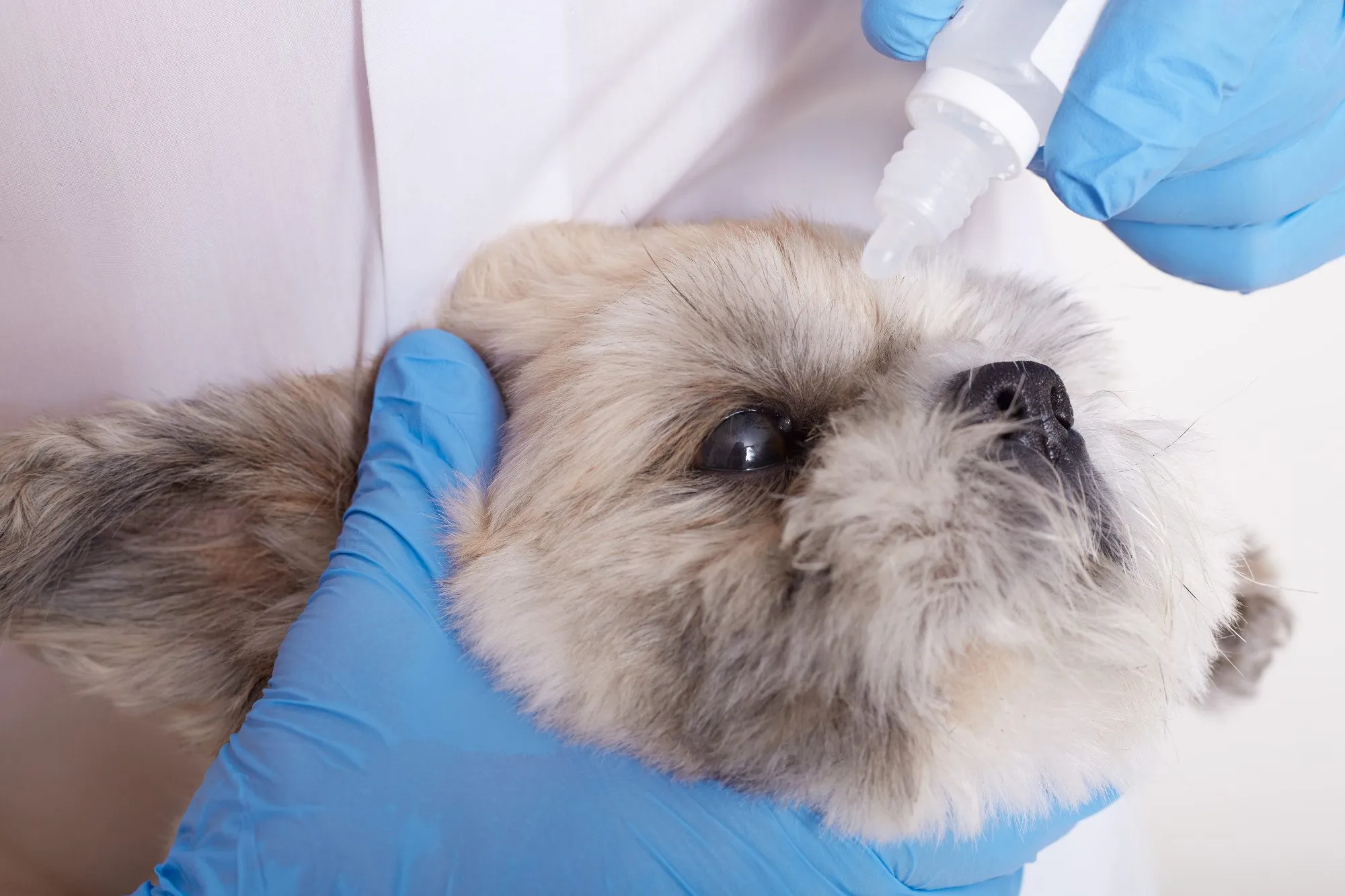
Non-surgical options may be attempted in very early or mild cases. These approaches involve anti-inflammatory medications and topical lubricants to reduce swelling and keep the eye comfortable. However, in most cases, surgery is required to reposition the gland. The most effective surgical techniques involve anchoring or tacking the gland back into place without removing it, as removal can lead to lifelong dry eye. Our veterinarians use gentle, modern surgical methods to minimize discomfort and support a smooth recovery.
Post-operative care is an important part of the healing process. This may include protective collars, medications to control inflammation and infection, and follow-up visits to monitor healing. Our team will guide you through every step, ensuring your pet receives the best care and support after their cherry eye surgery.
If your pet’s cherry eye becomes irritated or infected before surgery, or if you notice symptoms worsening, it’s important to seek emergency veterinary care right away to prevent complications.
Home Care and Prevention: Supporting Your Pet’s Eye Health
While cherry eye cannot always be prevented, there are steps you can take at home to support your dog’s or cat’s overall eye health. Regularly check your pet’s eyes for any redness, swelling, or discharge, especially if your pet is a breed predisposed to cherry eye. Gently wiping away debris with a clean, damp cloth can help reduce irritation, but avoid touching or pressing on the third eyelid if you notice a lump.
During daily routines, monitor for changes such as increased eye rubbing, squinting, or watery eyes. Keeping your pet’s face clean and avoiding exposure to dust, foreign objects, or harsh chemicals can minimize irritation. If your pet has experienced cherry eye in one eye, there is a higher risk of it developing in the other eye, so continued vigilance is important.
Preventing injury, limiting rough play that could affect the face, and providing regular veterinary checkups are also key parts of long-term eye health. During your pet’s comprehensive physical exam, our veterinarians can identify early signs of cherry eye or other eye disorders before they become severe.
When to See a Cherry Eye Vet: Knowing When It’s Time for Professional Help
Timely intervention is essential when dealing with cherry eye. You should contact a cherry eye vet as soon as you notice a red or pink mass at the corner of your dog’s or cat’s eye, especially if it appears suddenly or is accompanied by signs of discomfort. Immediate veterinary attention is advised if your pet’s eye becomes swollen, painful, or if there is a thick discharge, as these can indicate infection or secondary complications.
Cherry eye will not resolve on its own and can worsen over time, leading to chronic irritation or permanent damage to tear production. Attempting to treat cherry eye at home, especially by massaging or pushing the gland, is not recommended and can make the problem worse. Instead, schedule an appointment with your trusted veterinary team at Springfield Veterinary Hospital & Dental Clinic, where we have the experience and resources to provide an accurate diagnosis and effective treatment.
If your pet’s eye symptoms are severe, rapidly worsening, or accompanied by lethargy, loss of appetite, or other signs of illness, our emergency veterinary care service is available to help you address urgent concerns promptly.
How Springfield Veterinary Hospital & Dental Clinic Supports Your Pet’s Eye Health
At Springfield Veterinary Hospital & Dental Clinic, our commitment to your pet’s wellbeing extends beyond treating cherry eye. Our comprehensive approach to veterinary care ensures your dog or cat receives personalized attention at every stage of life, from puppy and kitten visits to senior wellness. Our team of veterinarians is equipped with advanced surgical and diagnostic tools, as well as a full suite of traditional and holistic therapies, to meet your pet’s unique needs.
Our convenient location at 450 Baltimore Pike, Springfield, PA 19064 serves Springfield and nearby communities, making it easy to access trusted care close to home. We welcome both scheduled appointments and walk-in visits during business hours, so you can get help when you need it most.
Our veterinarians are always available to answer your questions about cherry eye, eye health, or any other concern you have about your dog or cat. During comprehensive physical exams, we assess your pet’s overall health and provide recommendations for preventive care, helping you avoid complications and keep your companion feeling their best.
Take the Next Step: Schedule an Appointment with a Cherry Eye Vet Near Springfield, PA
If you’re concerned about cherry eye or any eye problem in your dog or cat, don’t wait for symptoms to get worse. Early diagnosis and treatment from an experienced cherry eye vet are essential for protecting your pet’s comfort and vision. Our veterinary team at Springfield Veterinary Hospital & Dental Clinic is dedicated to providing compassionate, expert care for every pet we see.
To schedule a consultation or learn more about our services, call (610) 543-5555 or visit us at 450 Baltimore Pike, Springfield, PA 19064. If you are searching for a veterinarian near me who understands the urgency and complexity of cherry eye, our team is here to help. For urgent concerns, our emergency veterinary care service provides prompt attention when your pet needs it most.
Your pet’s eye health is too important to leave to chance. Trust our team of veterinarians at Springfield Veterinary Hospital & Dental Clinic to deliver the care and support your companion deserves.