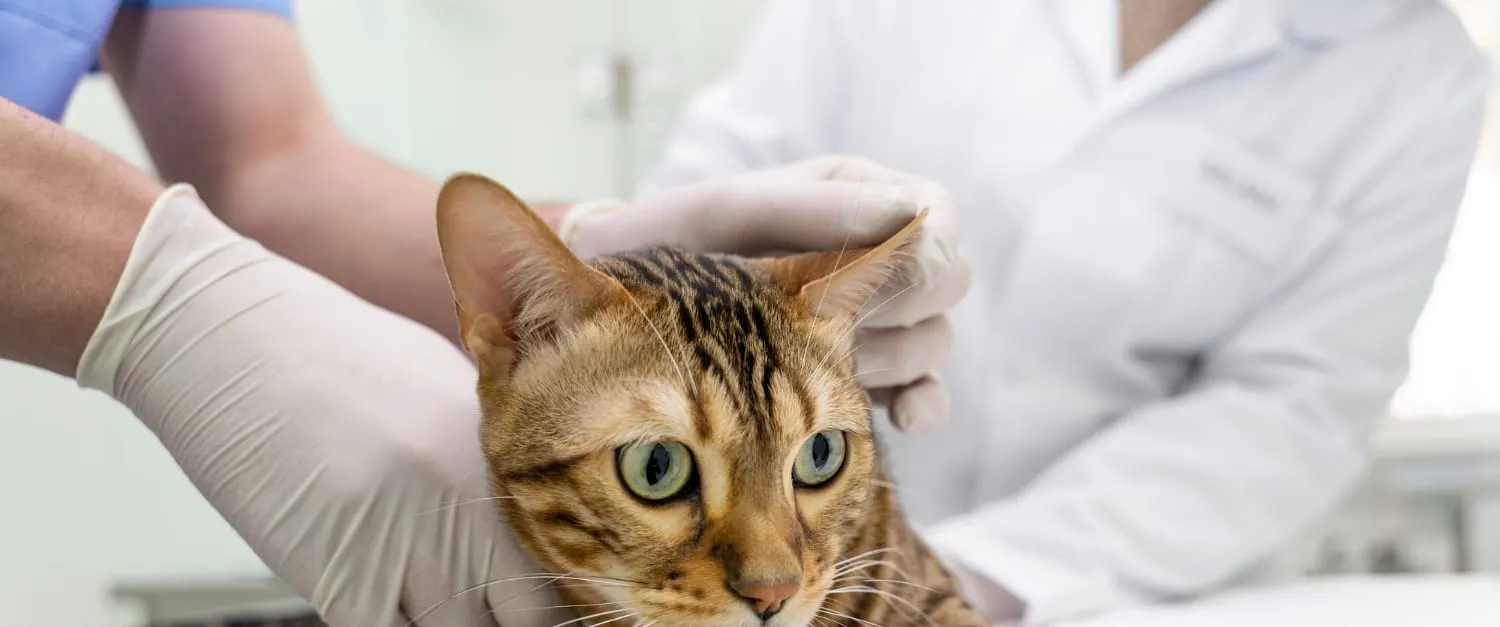
Careful monitoring keeps pets safe during anesthesia, surgery and hospital stays. We track heart rate, breathing, blood pressure, oxygen levels and temperature.
Monitoring lets our team spot changes early and respond right away, so your pet gets the care they need when they need it.
What Vital Signs Tell Us About Your Pet
Each vital sign gives our team a different window into how your pet's body is doing. Together, they help us keep your pet stable and comfortable:
- Heart rate and rhythm show how well the heart is working
- Breathing rate helps us confirm your pet is getting enough air
- Oxygen levels show how well oxygen is reaching the blood
- Blood pressure tells us whether vital organs are getting good blood flow
- Body temperature matters because pets can lose heat under anesthesia
When something changes, our team can adjust fluids, anesthesia, warming or medications to help your pet stay safe and comfortable from start to finish.
Checking Your Pet's Vital Signs at Home
Knowing what's normal for your pet can help you spot a problem sooner. One simple check is the resting breathing rate. While your dog or cat is sound asleep, count how many times the chest rises in 30 seconds and multiply by two. Your vet can tell you what range is normal for your pet, which is especially helpful for pets with heart conditions.
You can also look at your pet's gums, which are usually pink and moist. Call or come in right away if your pet has pale, blue or gray gums, labored or open-mouth breathing in a cat, collapse or a very rapid heartbeat. These can be signs of an emergency.
Questions about Vital Sign Monitoring?
Call us or book an appointment online, and our team will help you decide on the next step for your pet.
Vital Sign Monitoring: Frequently Asked Questions
Is anesthesia safe for my pet?
What is a normal heart rate for a dog or cat?
Is my pet monitored after surgery too?
Why does my vet check blood pressure in older pets?
Ready to schedule a visit?
Book online, call us, or walk in during open hours.